


Quilting Thread
Cotton and polyester thread for piecing, machine quilting, bobbins and hand quilting, from Missouri Star, Aurifil, Superior Threads and more. Not sure where to start? Pick a best seller below... Read more
Start here
Our best-selling thread, ready to add to cart.


Shop by job
Pick the thread for what you are making.

Piecing
50 wt cotton


Machine quilting
40 wt cotton or poly

Bobbins
60 wt poly, or a king spool

Hand quilting
12 wt cotton

Sashiko & big stitch
Perle #8 cotton

Variegated
Color-shifting 40/50 wt
Aurifil variegatedMissouri Star variegated perle
Shop all variegated thread


Thread weight chart
In thread, a higher weight number means a finer thread, so 80 wt is very fine and 12 wt is thick and bold.
| Weight | What it’s for | Needle size | Our pick |
|---|---|---|---|
 80 wt |
Appliqué, English paper piecing, near-invisible stitches | 60/8–70/10 | Aurifil 80 wt |
 60 wt |
Bobbins, fine piecing | 70/10–75/11 | Superior Bottom Line |
 50 wt |
Piecing, all-purpose: the default | 75/11–80/12 | Missouri Star 50 wt Cotton, Aurifil 50 wt |
 40 wt |
Machine quilting where the stitches should show | 80/12–90/14 | Missouri Star 40 wt Poly, Aurifil 40 wt |
 28 wt |
Bold machine quilting, hand quilting | 90/14–100/16 | Aurifil 28 wt |
 12 wt / Perle #8 |
Hand quilting, big stitch, sashiko, embroidery | Machine 100/16–110/18 · Hand: size 3–5 embroidery | Aurifil 12 wt, Missouri Star Perle |
Shop our wide selection of colorful quilting thread in a spectrum of 70 beautiful hues, both in polyester thread and cotton thread. Plus, you can also shop popular quilt thread brands including Superior, Aurifil, OMNI, Gutermann and more!
-
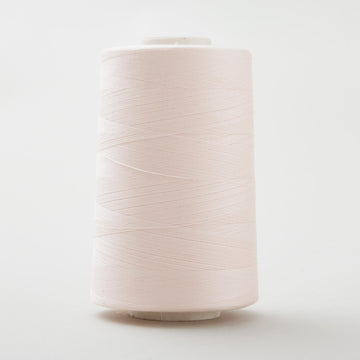 Apricot Blossom OMNI Thread - 6,000 yds (poly-wrapped poly core)
$15.75
-
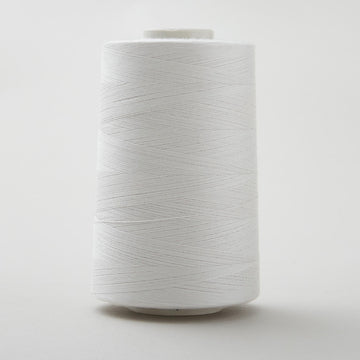 Ash Gray OMNI Thread - 6,000 yds (poly-wrapped poly core)
$15.75
-
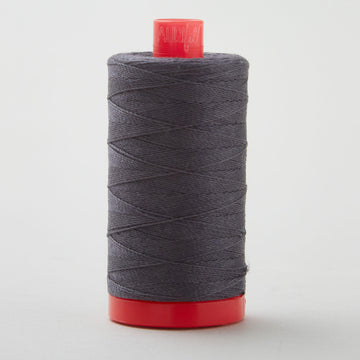 AURIfil 12 WT Cotton Large Spool Thread Dark Grey
$14.75
-
 AURIfil 12 WT Cotton Large Spool Thread Ecru
$14.75
-
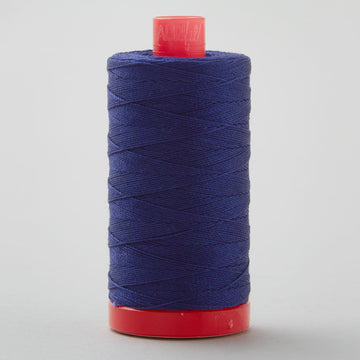 AURIfil 12 WT Cotton Large Spool Thread Navy
$14.75
-
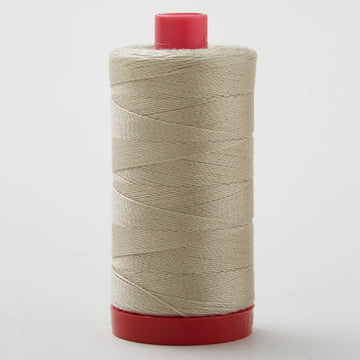 AURIfil 12 WT Cotton Large Spool Thread Taupe
$14.75
-
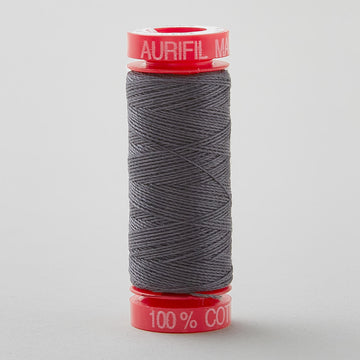 AURIfil 12 WT Cotton Small Spool Thread Dark Grey
$5.70
-
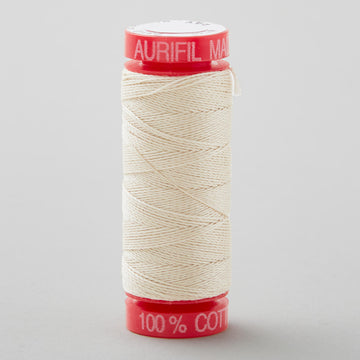 AURIfil 12 WT Cotton Small Spool Thread Ecru
$5.70
-
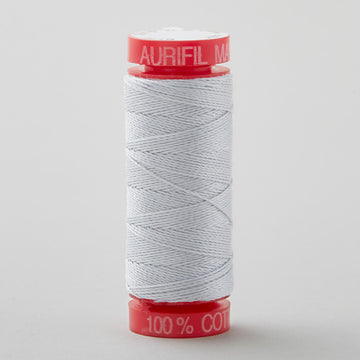 AURIfil 12 WT Cotton Small Spool Thread Grey
$5.70
-
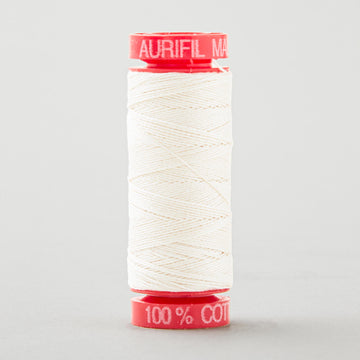 AURIfil 12 WT Cotton Small Spool Thread Ivory
$5.70
-
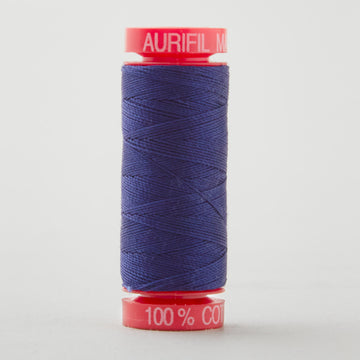 AURIfil 12 WT Cotton Small Spool Thread Navy
$5.70
-
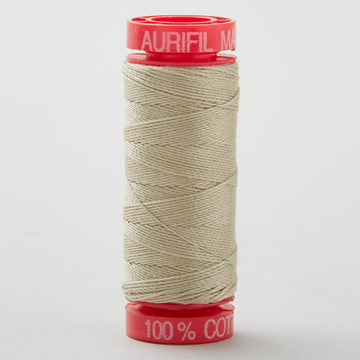 AURIfil 12 WT Cotton Small Spool Thread Taupe
$5.70
-
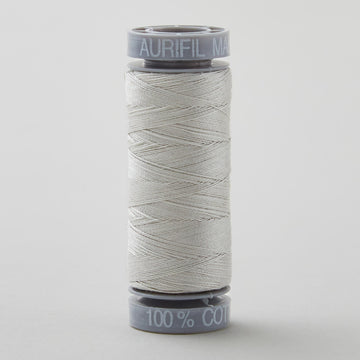 Aurifil 28wt Cotton Mako Thread Airstream
$5.70
-
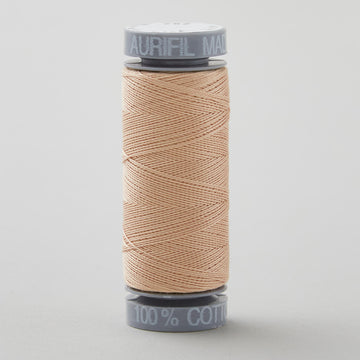 Aurifil 28wt Cotton Mako Thread Beige
$5.70
-
 Aurifil 28wt Cotton Mako Thread Black
$5.70
-
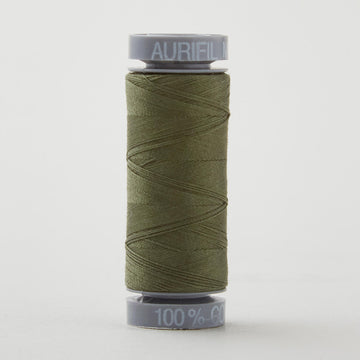 Aurifil 28wt Cotton Mako Thread Dark Green
$5.70
-
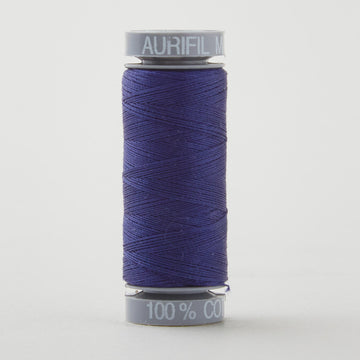 Aurifil 28wt Cotton Mako Thread Dark Navy
$5.70
-
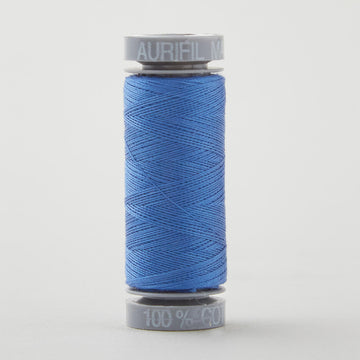 Aurifil 28wt Cotton Mako Thread Delft
$5.70
-
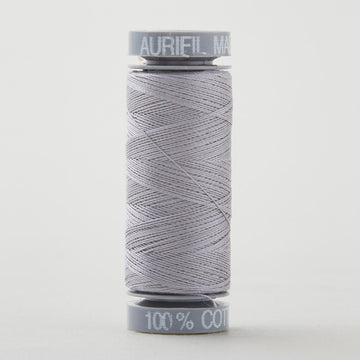 Aurifil 28wt Cotton Mako Thread Grey
$5.70
-
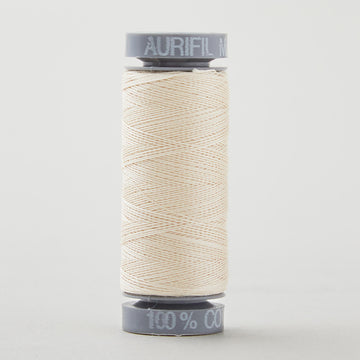 Aurifil 28wt Cotton Mako Thread Light Beige
$5.70
-
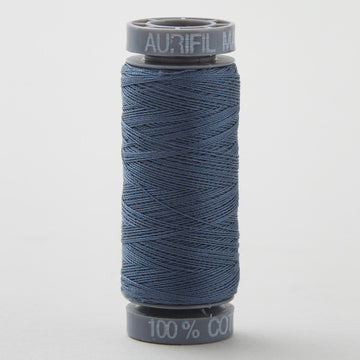 Aurifil 28wt Cotton Mako Thread Medium Grey
$5.70
-
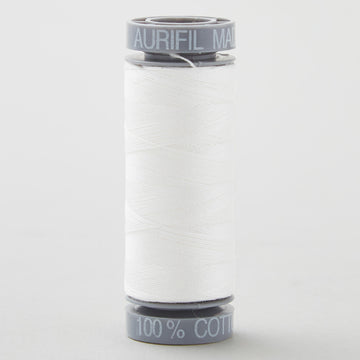 Aurifil 28wt Cotton Mako Thread Natural White
$5.70
-
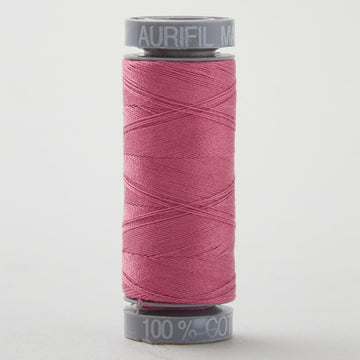 Aurifil 28wt Cotton Mako Thread Pink
$5.70
-
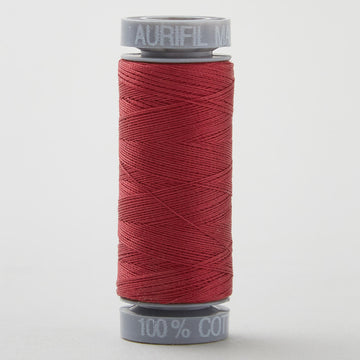 Aurifil 28wt Cotton Mako Thread Red
$5.70


Learn about thread

BLOG
Best quilting thread for your sewing machine
Read the guide

BLOG
How to choose quilting thread for your sewing machine
Read the guide

BLOG
How to hand quilt: a beginner’s guide
Read the guide
Quilting Thread
What makes thread quilting thread?
Quilting thread is made to hold seams flat and stand up to years of washing. Most of it is long-staple cotton or polyester, sold on spools, cones and king spools, and labeled by weight (wt). The higher the number, the finer the thread, so a 50 wt is finer than a 40 wt, and a 12 wt is thick enough to see from across the room.
Thread weights at a glance
50 wt: piecing and fine machine quilting
40 wt: machine quilting you want to show
28–12 wt: hand quilting, big stitch and bold topstitching
60–80 wt: bobbins, appliqué and invisible-look quilting
Perle #8: sashiko and big-stitch embroidery
Brands we carry
Shop Missouri Star thread alongside quilter favorites from Aurifil, Superior Threads, Presencia and Fil-Tec, from single spools in dozens of colors to thread packs that cover every project.
Choosing a color
For piecing, a neutral one shade lighter than your fabrics keeps seams out of sight. For quilting, a thread that blends hides wobbles, while a contrasting or variegated thread turns the stitching into part of the design.
Caring for thread
Store thread away from sunlight and dust, and keep spool ends tucked so they don’t tangle. If an old spool snaps easily when you tug it, retire it to basting duty.
Quilting thread FAQ
What’s the best thread for machine quilting?

A 40 or 50 wt thread is the best place to start for machine quilting. Choose 50 wt, like Missouri Star 50 wt Cotton or Aurifil 50 wt, if you want stitches that blend in. Choose 40 wt, like Missouri Star 40 wt Poly or Aurifil 40 wt, if you want your quilting to show up a little more. Both run smoothly on most home machines and longarms.
What’s the best thread for hand quilting?
For traditional hand quilting, a strong cotton thread in 40 or 50 wt gives you small, even stitches that hold up over time. If you like the bold, chunky look of big-stitch quilting, try a heavier thread like Aurifil 12 wt or Missouri Star Perle cotton. Those stitches are meant to show, so pick a color you'd like people to notice.
What thread should I use for piecing?
A fine 50 wt cotton thread is the go-to for piecing. Missouri Star 50 wt Cotton and Aurifil 50 wt are both thin enough to keep your seams flat and your 1/4" seam allowance accurate, and strong enough to hold everything together. A neutral color like gray, beige or white blends into most fabrics, so you won't need to change spools for every project.
What weight thread is best for quilting?
For most quilters, 40 or 50 wt thread is the best all-around choice. Here's a tip: the higher the number, the finer the thread. So 50 wt blends in quietly, 40 wt shows a bit more, and heavier threads like 28 or 12 wt really stand out. Finer threads like 80 wt are handy for detail work and appliqué where you want the stitches to nearly disappear.
Cotton or polyester thread for quilting?
Both work well, so it mostly comes down to the look and feel you like. Cotton, like Missouri Star 50 wt Cotton, has a soft, matte finish and is a classic choice for cotton quilts. Polyester, like Missouri Star 40 wt Poly, is strong and stretchy with a little sheen, and it makes less lint. Many quilters use cotton for piecing and either one for quilting.
When should I use invisible thread?
Use invisible thread when you want the texture of quilting without the stitches showing, such as stitching in the ditch or quilting over busy, multicolored fabric. It's also handy for appliqué. Loosen your top tension a bit and sew at a steady, moderate speed. Many quilters pair it with a fine bobbin thread like Superior Bottom Line so the back looks neat too.
Does bobbin thread color matter?
Yes, it can. If your tension isn't perfectly balanced, little dots of bobbin thread can peek through on the top of your quilt. Matching the bobbin color to your top thread, or to your backing fabric, keeps those dots from showing. A thin bobbin thread like Superior Bottom Line also helps, since it sits nicely in the fabric and lets you fit more on each bobbin.
How much thread does a bobbin hold?
It depends on the size of your bobbin and the weight of your thread, so check your machine's manual for your bobbin type. As a general rule, finer thread fits more yardage on a bobbin. That's why many quilters wind their bobbins with a fine thread like Superior Bottom Line: you stop to change bobbins less often. Wind a few extras before you start a big quilting project.