


Quilting Glue – Fabric Glue Sticks, Glue Pens & Basting Glue
Temporary fabric glue holds your pieces in place so you can sew without pins: glue pens and glue sticks for English paper piecing, and fine-tip basting glue for appliqué and binding. Shop Roxanne Glue-Baste-It, Sue Daley, Aleene’s and Missouri Star glue pens. read more
Temporary fabric glue holds your pieces in place so you can sew without pins: glue pens and glue sticks for English paper piecing, and fine-tip basting glue for appliqué and binding. Shop Roxanne Glue-Baste-It, Sue Daley, Aleene’s and Missouri Star glue pens.
-
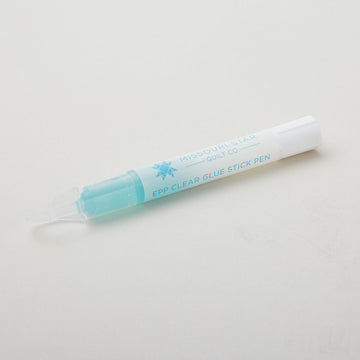 Missouri Star Glue Pen - Aqua
$2.45
-
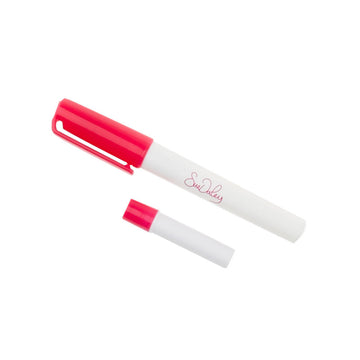 Sue Daley Glue Pen
$11.40
-
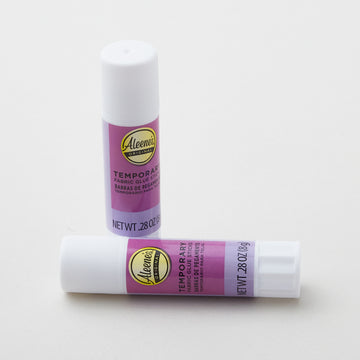 Aleene's Temporary Fabric Glue Stick - Two Pack
$3.95
-
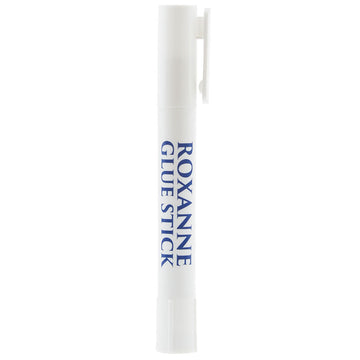 Roxanne Glue Stick
$8.25
-
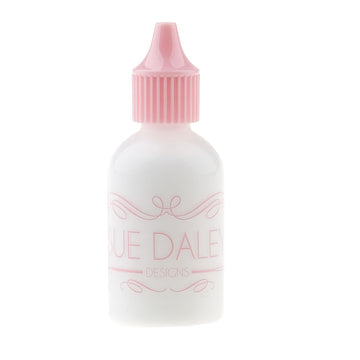 Sue Daley Appliqué Glue
$8.00
-
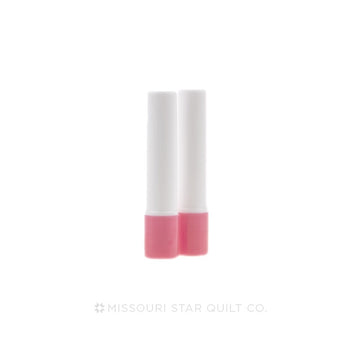 Sue Daley Glue Pen Refill
$5.90
-
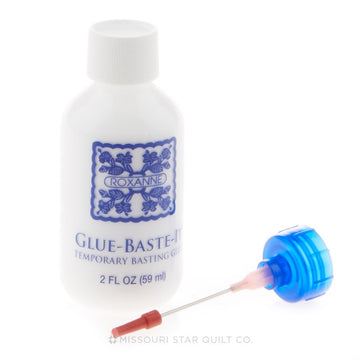 Roxanne Glue - Baste-It 2oz
$15.75
-
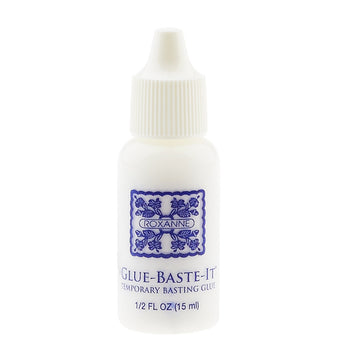 Roxanne Glue - Baste-It .5 oz. Bottle
$8.25
-
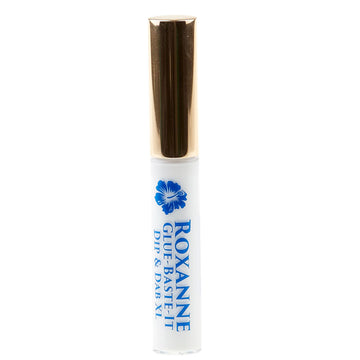 Roxanne Glue-Baste-It Dip & Dab XL - .34 oz
$6.25
-
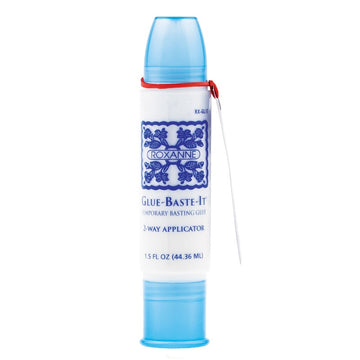 Roxanne Glue - Baste-It, 2-Way Applicator
$14.75
-
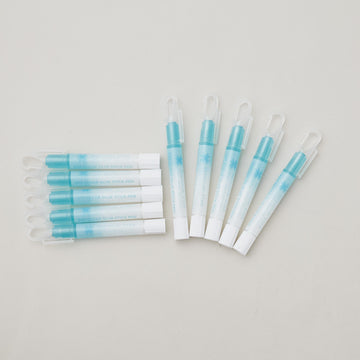 Missouri Star Glue Pen Aqua (10pk)
$22.95
-
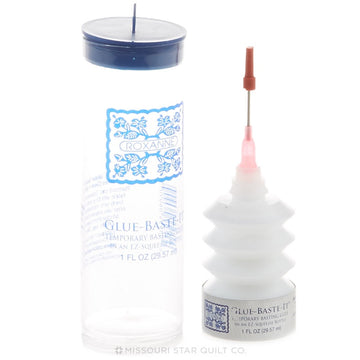 Roxanne Glue-Baste-It EZ
$13.75
-
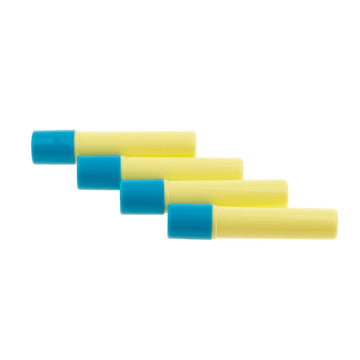 Quilters Select Fabric Glue Stick Refill - Yellow
$9.99
-
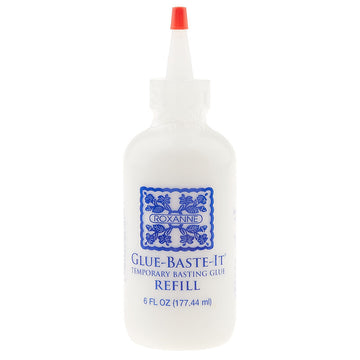 Roxanne Glue-Baste-It® 6 oz. Refill
$31.75
more of our favorite quilting notions collections


Quilting Glue – Fabric Glue Sticks, Glue Pens & Basting Glue
Why Quilters Use Fabric Glue
Pins shift, poke and leave bumps under your presser foot. A temporary fabric glue holds fabric exactly where you put it, then washes out when the quilt is finished. Quilters reach for it for three jobs above all: English paper piecing, appliqué and binding. It’s also handy for matching seams, holding a zipper in place on a bag, or gluing fabric swatches to a pattern key.
Glue Pens and Glue Sticks
Glue pens are the go-to for English paper piecing. The Missouri Star Glue Pen lays down a thin, clear line, and the 10-pack keeps one in every EPP project bag. The Sue Daley Glue Pen takes refills, so you keep the pen and swap the glue. Roxanne and Aleene’s glue sticks give wider coverage for binding, backing seams and foundation paper piecing. New to EPP? Our guide to the best English paper piecing supplies covers glue, papers and thread, and you can shop everything in English paper piecing supplies.
Liquid Basting Glue
Roxanne Glue-Baste-It is a water-soluble liquid glue with a fine tip that puts down a dot exactly where you need it. It comes in a 0.5 oz bottle, a 2 oz bottle, the EZ and 2-Way Applicator bottles, the Dip & Dab, and a 6 oz refill. Use it for appliqué, wool appliqué and quilt-as-you-go seams, or to glue-baste your binding (see our quilt binding guide). Sue Daley Appliqué Glue is a favorite for needle-turn appliqué. Customers call it “liquid pins.”
Tips for Glue Basting
- Less is more. A few dots or a thin line holds; extra glue just takes longer to dry.
- Keep glue in the seam allowance and out of the stitching line.
- Let it dry, or press it with a hot iron, before you sew.
- Wash the finished quilt to remove the glue completely.